



Welcome to Narbear Child Development Home
4725 9th St NW Washington, DC 20011
Children who grow up in strong, healthy, and functioning families are better equipped to thrive.
In cases where this isn't the reality, our support can be a game-changer in helping them overcome challenges and unlock their potential.
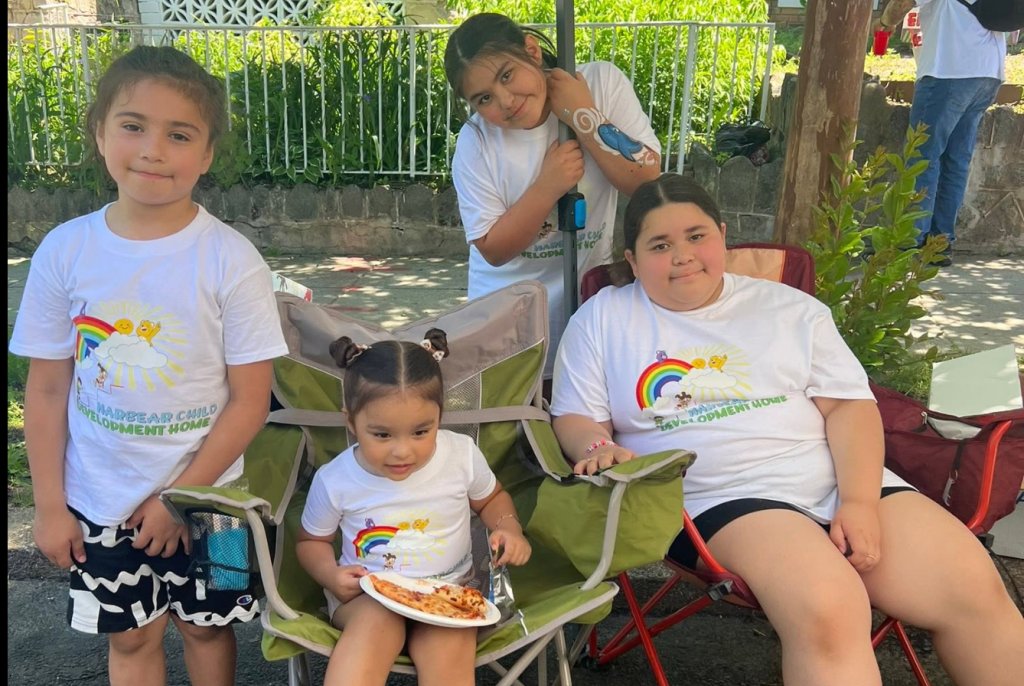

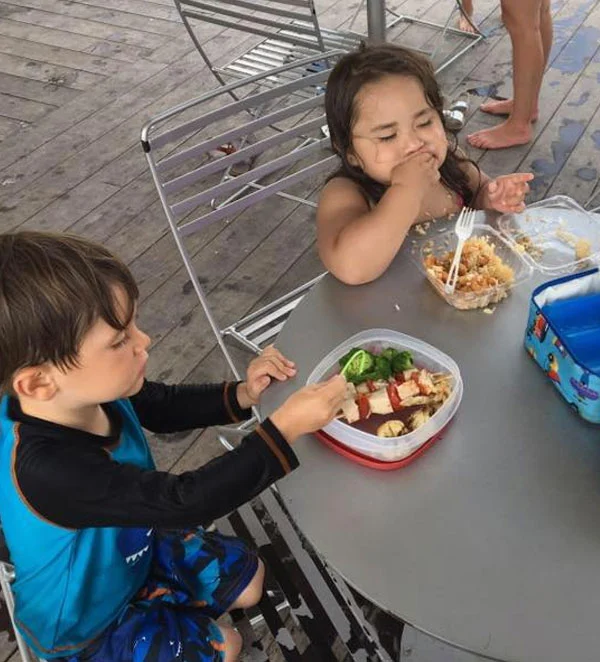
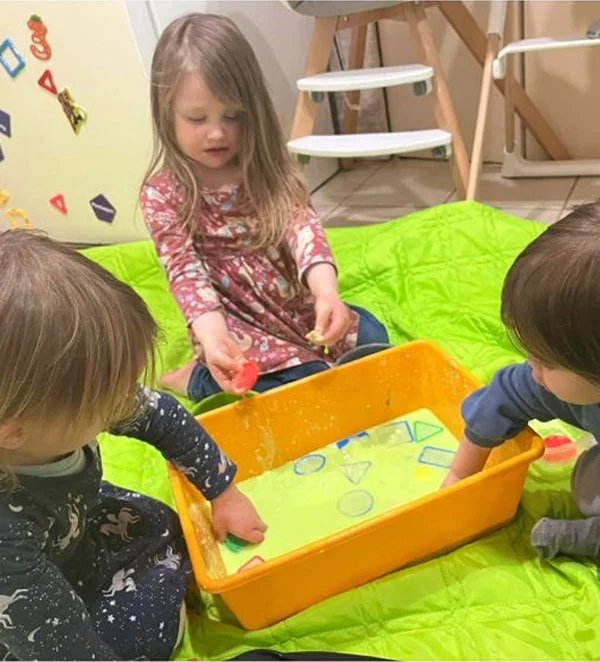
Inspiring young minds to discover, learn, and grow—together.
Meet Our Staff >
Where Caring & Learning Flourish
Contact us: (240) 779-7959. (202) 590-1872
Parents' Testimonials

⭐️⭐️⭐️⭐️⭐️
“From the moment we walked through the door, we felt at ease. The teachers greet my daughter with genuine warmth every morning, and she runs in excited to start her day. Her language skills and confidence have soared since enrolling at Narbear.” Maria L. – parent of a 3‑year‑old
“From the moment we walked through the door, we felt at ease. The teachers greet my daughter with genuine warmth every morning, and she runs in excited to start her day. Her language skills and confidence have soared since enrolling at Narbear.” Maria L. – parent of a 3‑year‑old
⭐️⭐️⭐️⭐️⭐️
“We love how the staff tailors activities to each child’s interests. Our twins have very different personalities, yet both come home talking about projects that lit them up—one about painting, the other about counting games. Narbear celebrates their uniqueness while teaching them to work and play together.”
— Jason & Priya S. – parents of twin toddlers
⭐️⭐️⭐️⭐️⭐️
“I’m amazed at how school‑ready my son is. He can write his name, recognize letters, and even adds simple numbers—all taught through play. The caregivers keep us updated with photos and detailed notes, so we feel involved in every milestone.”
— Danielle R. – parent of a pre‑K student
“I’m amazed at how school‑ready my son is. He can write his name, recognize letters, and even adds simple numbers—all taught through play. The caregivers keep us updated with photos and detailed notes, so we feel involved in every milestone.”
— Danielle R. – parent of a pre‑K student
⭐️⭐️⭐️⭐️⭐️
“The outdoor time is a huge plus for us. Rain or shine, Narbear finds safe, fun ways to get kids moving—gardening, obstacle courses, nature walks. Our little one now points out plants and bugs on weekend strolls thanks to what he’s learned there.”
— Ahmed K. – parent of a 2‑year‑old
“The outdoor time is a huge plus for us. Rain or shine, Narbear finds safe, fun ways to get kids moving—gardening, obstacle courses, nature walks. Our little one now points out plants and bugs on weekend strolls thanks to what he’s learned there.”
— Ahmed K. – parent of a 2‑year‑old
⭐️⭐️⭐️⭐️⭐️
Sofia G. – parent of siblings ages 4 and 5
“Narbear truly feels like a second family. The staff offered calm routines, and regular check‑ins with us. Within weeks, drop‑offs were tear‑free. Their compassion and professionalism have earned our complete trust.”
— Michael & Sofia G. – parents of siblings ages 4 and 5
Examples turn abstract explanations into usable knowledge by showing how a rule works under specific conditions rather than leaving readers to infer every step. The strongest ones include enough context to reveal the decision involved, while remaining short enough for the central principle to stay visible. In technical training, a test example should pair a defined input with an expected output, enabling learners to distinguish a valid result from a plausible but incorrect one. That structure also makes comparison easier, because a second case can change one variable and show precisely why the outcome changes. In writing, data analysis, and software design alike, carefully chosen examples expose common edge cases without overwhelming the audience with unnecessary detail. Their value therefore depends less on quantity than on relevance, clarity, and the thoughtful contrast between ordinary and exceptional situations.